→ Fast Vergessen | Skoraj Pozabljeno
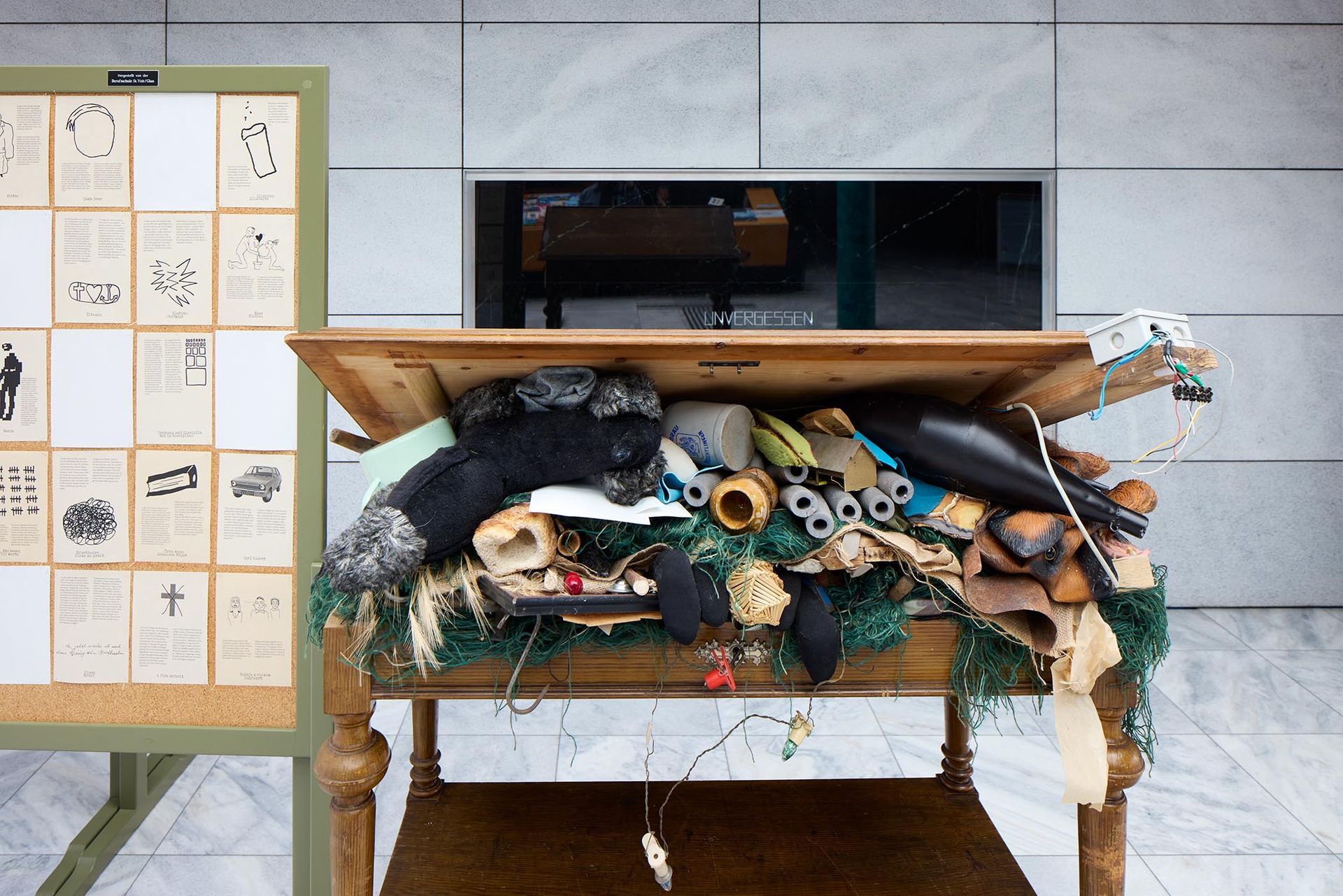
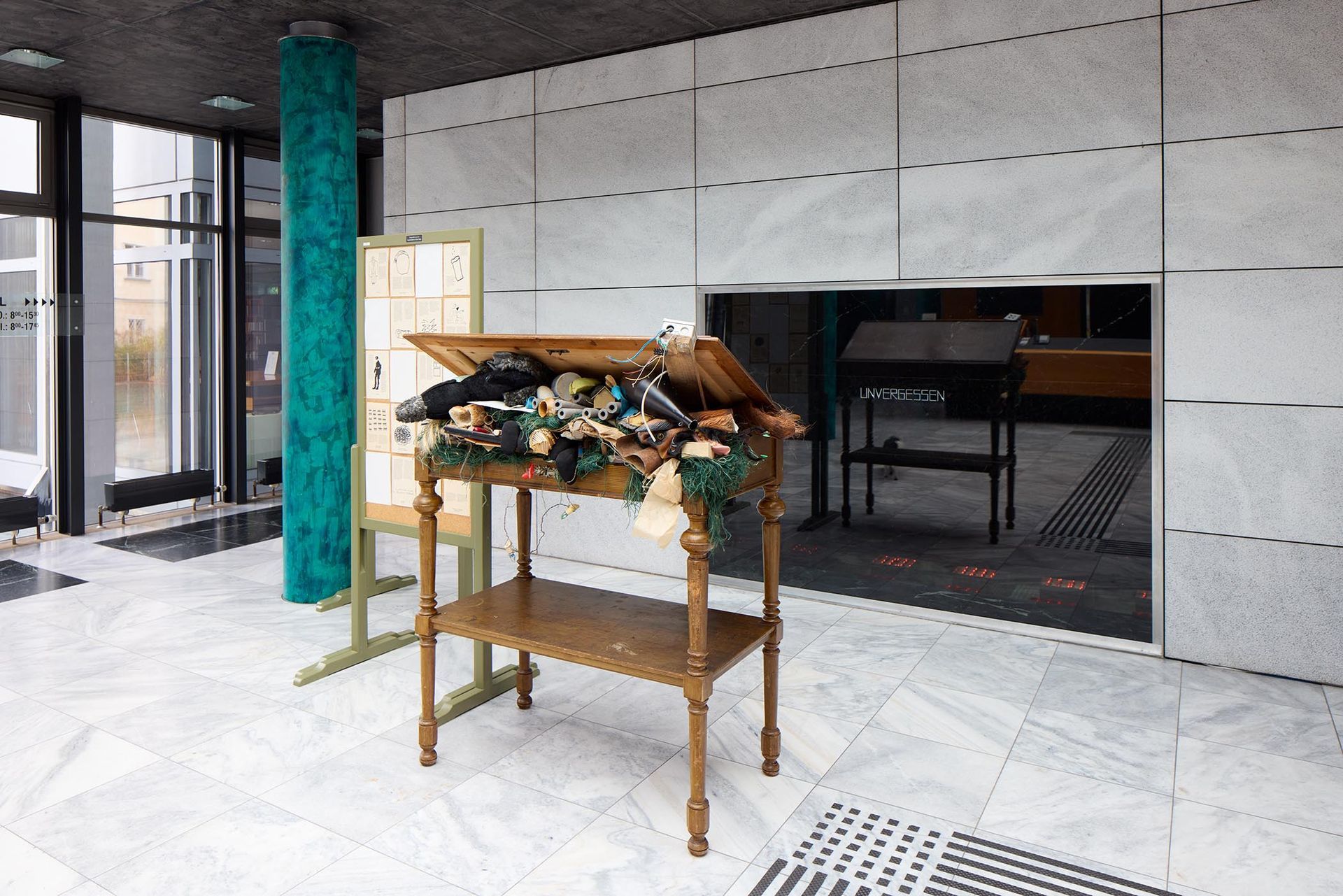
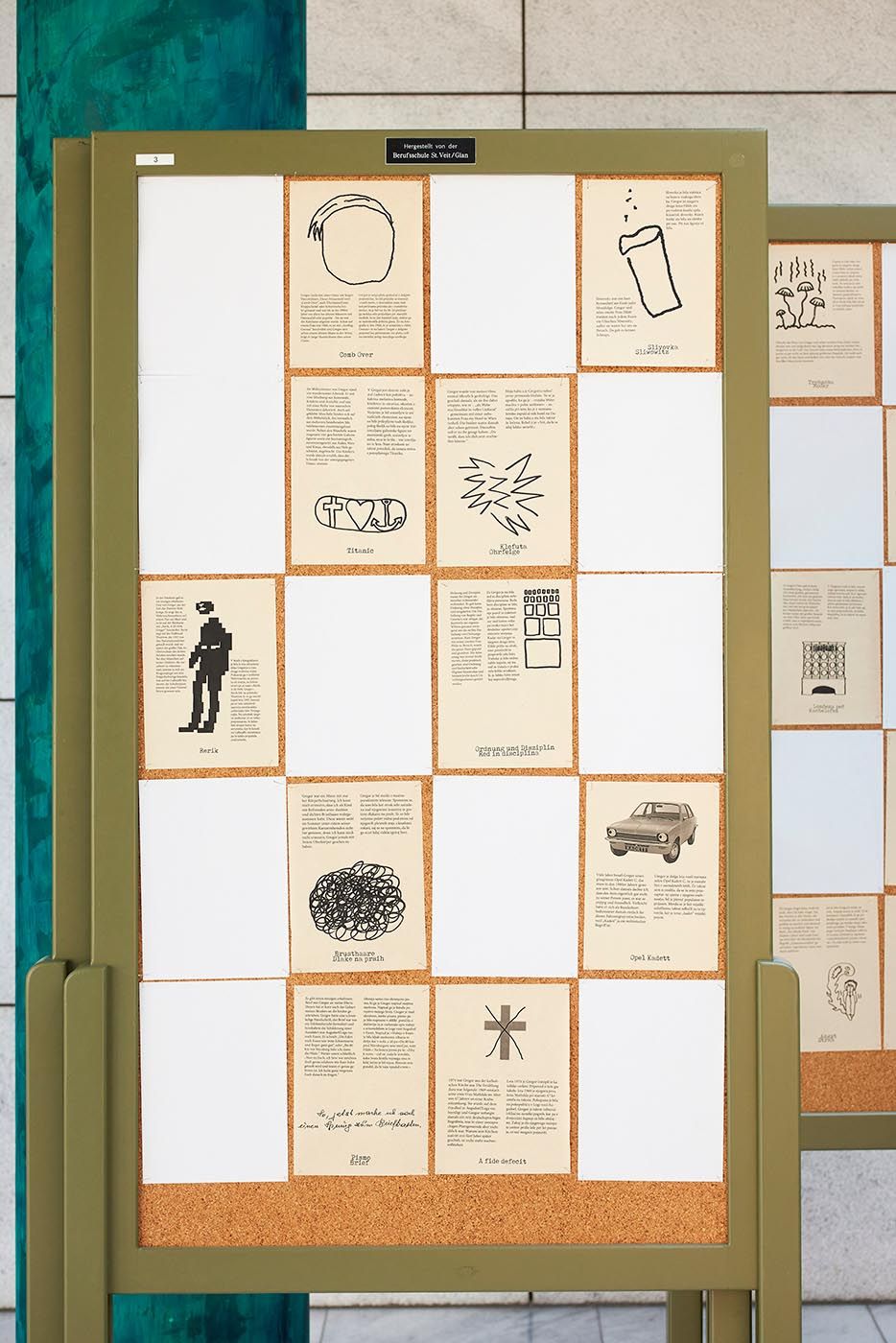
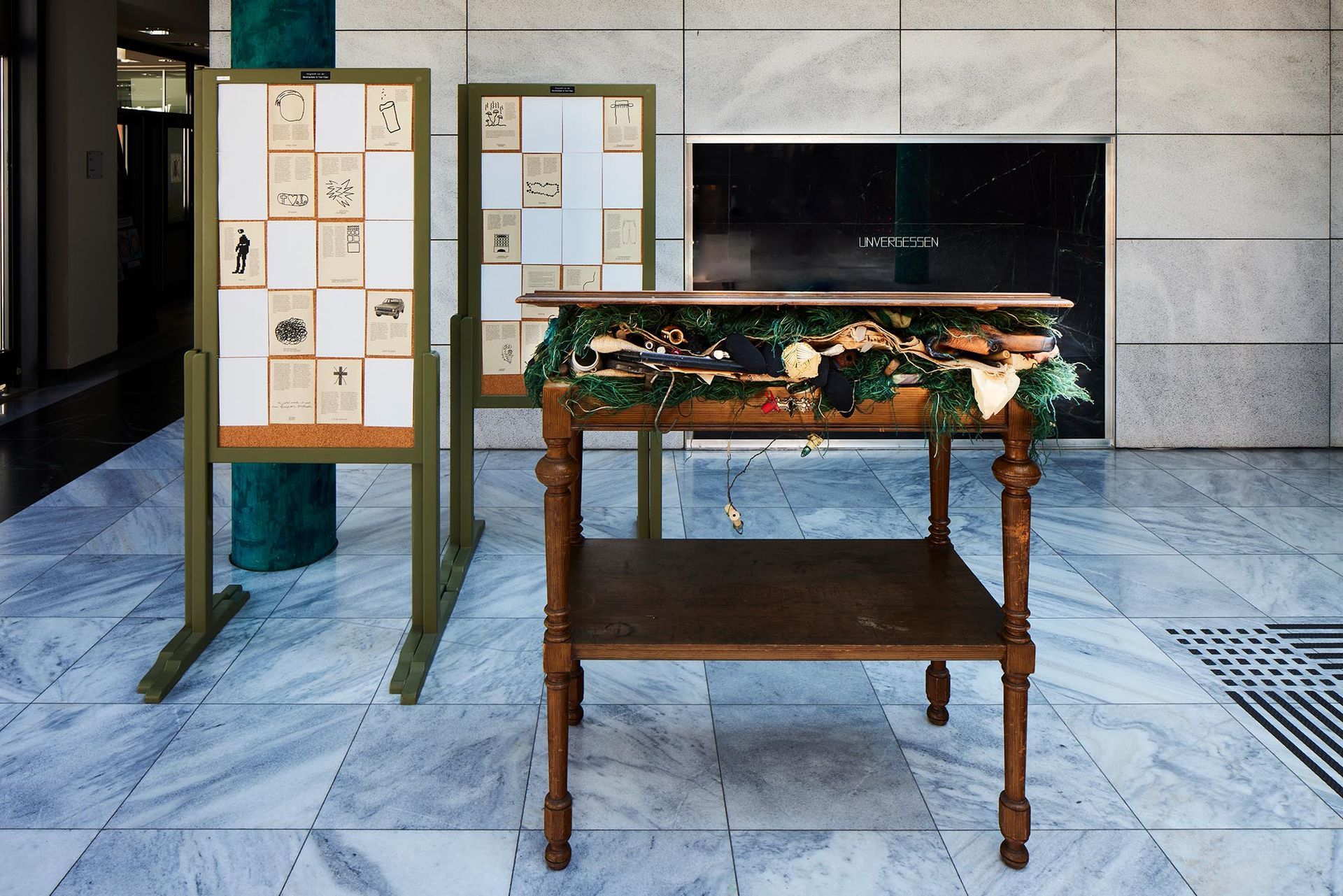
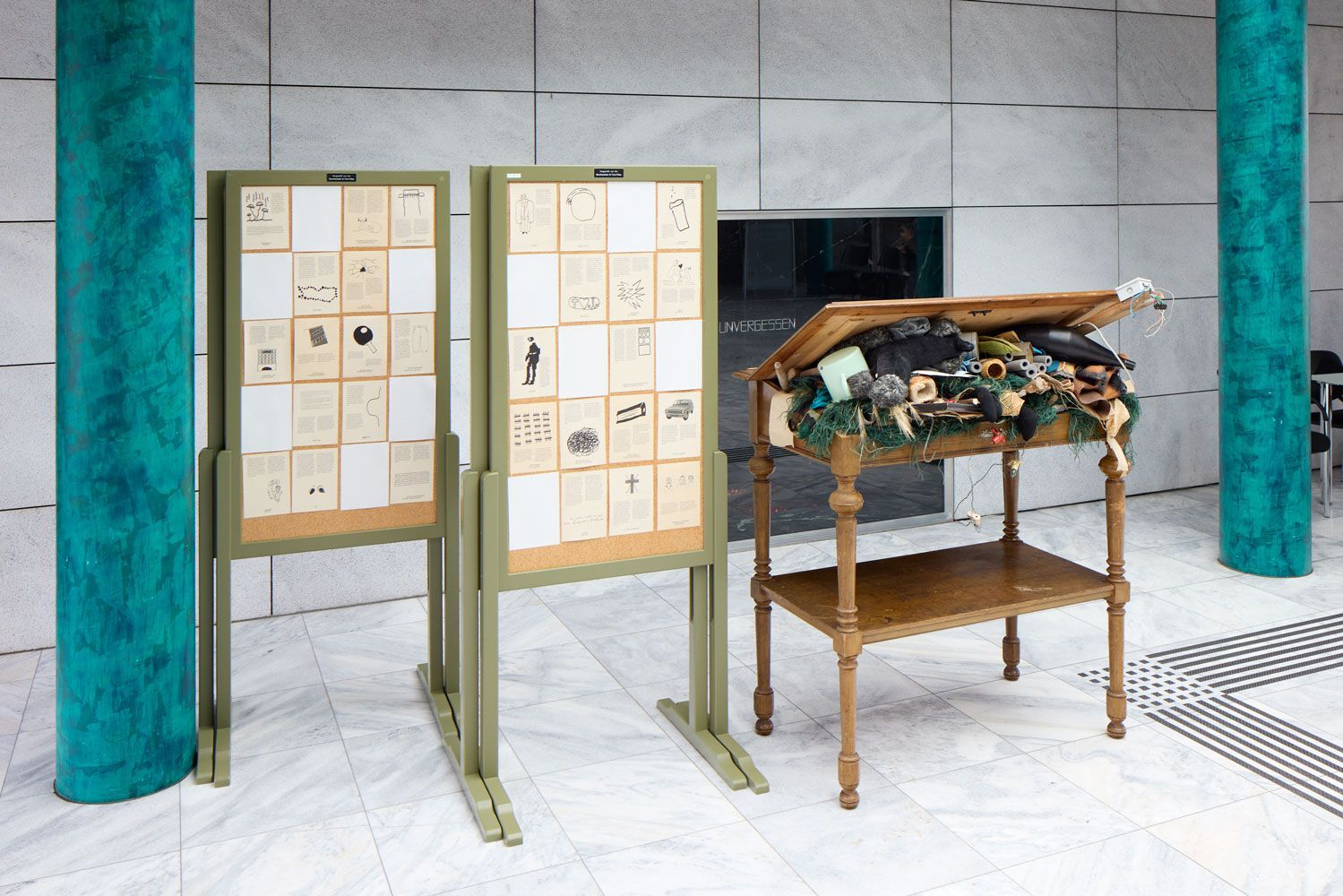
Installation with 50 archive cards pinned to display boards and a historic secretary desk filled with old found objects and debris. The installation was expanded several times over the course of the exhibition. | 2025 | part of the exhibition "I am the grass. Let me work.", curated by Gudrun Ratzinger | installation size approx. 5 x 3 m | Kärntner Landesarchiv, Klagenfurt | Photos: Johannes Puch
Memories of the horrors of the Nazi era are passed down within families — through stories, but very often also through silence. With her work Fast Vergessen
| Skoraj Pozabljeno, Edith Payer investigates what exactly her grandfather did during the Second World War. As a child, she had heard rumors about his possible affiliation with the SS, and there were several indications of his German-nationalist convictions. Yet the documents preserved within the family reveal hardly anything about her grandfather’s activities under National Socialism, and even his later life appears to be almost entirely undocumented. Eighty years after the end of the war, the artist searches through official archives and within her own family for concrete clues.
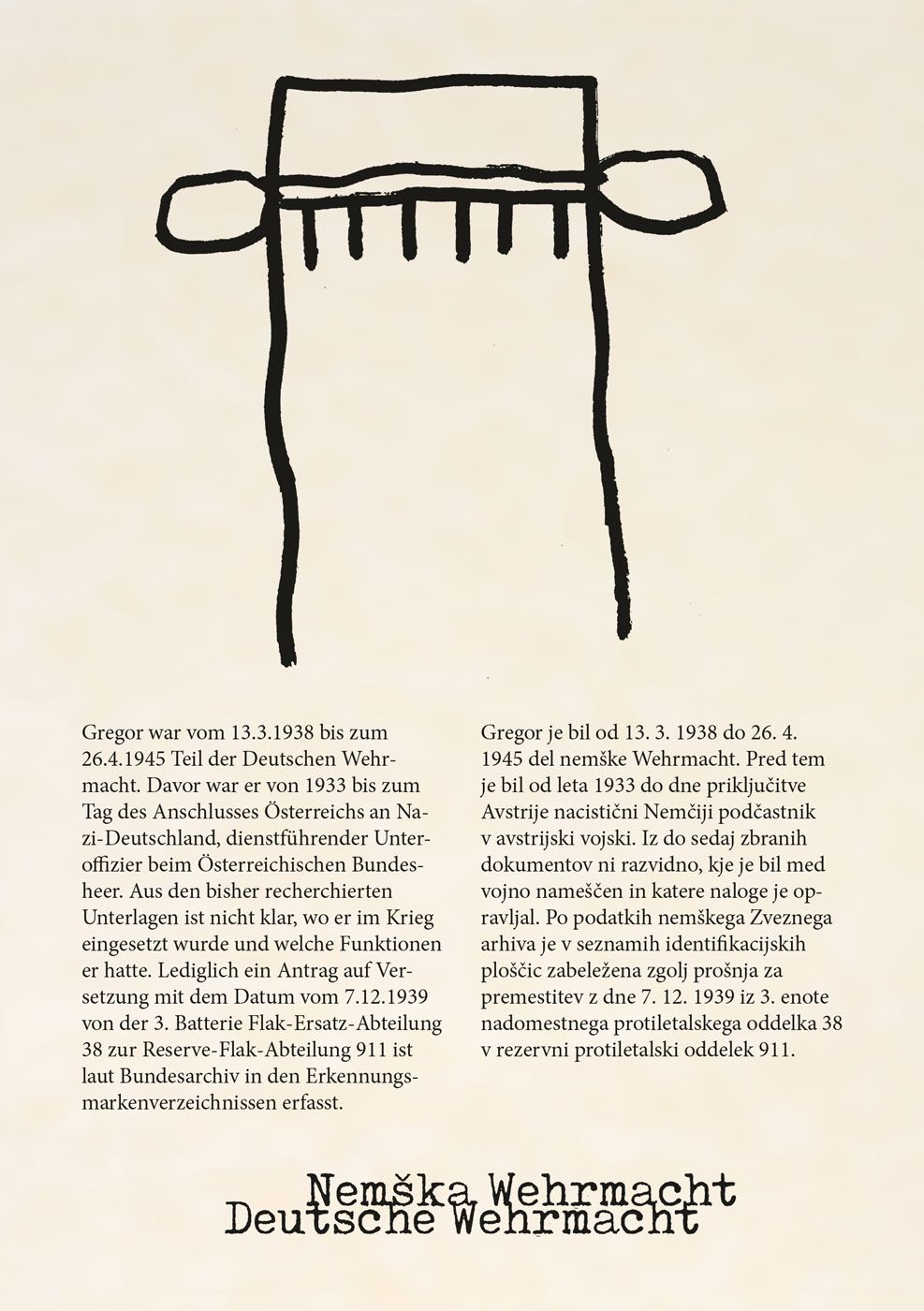
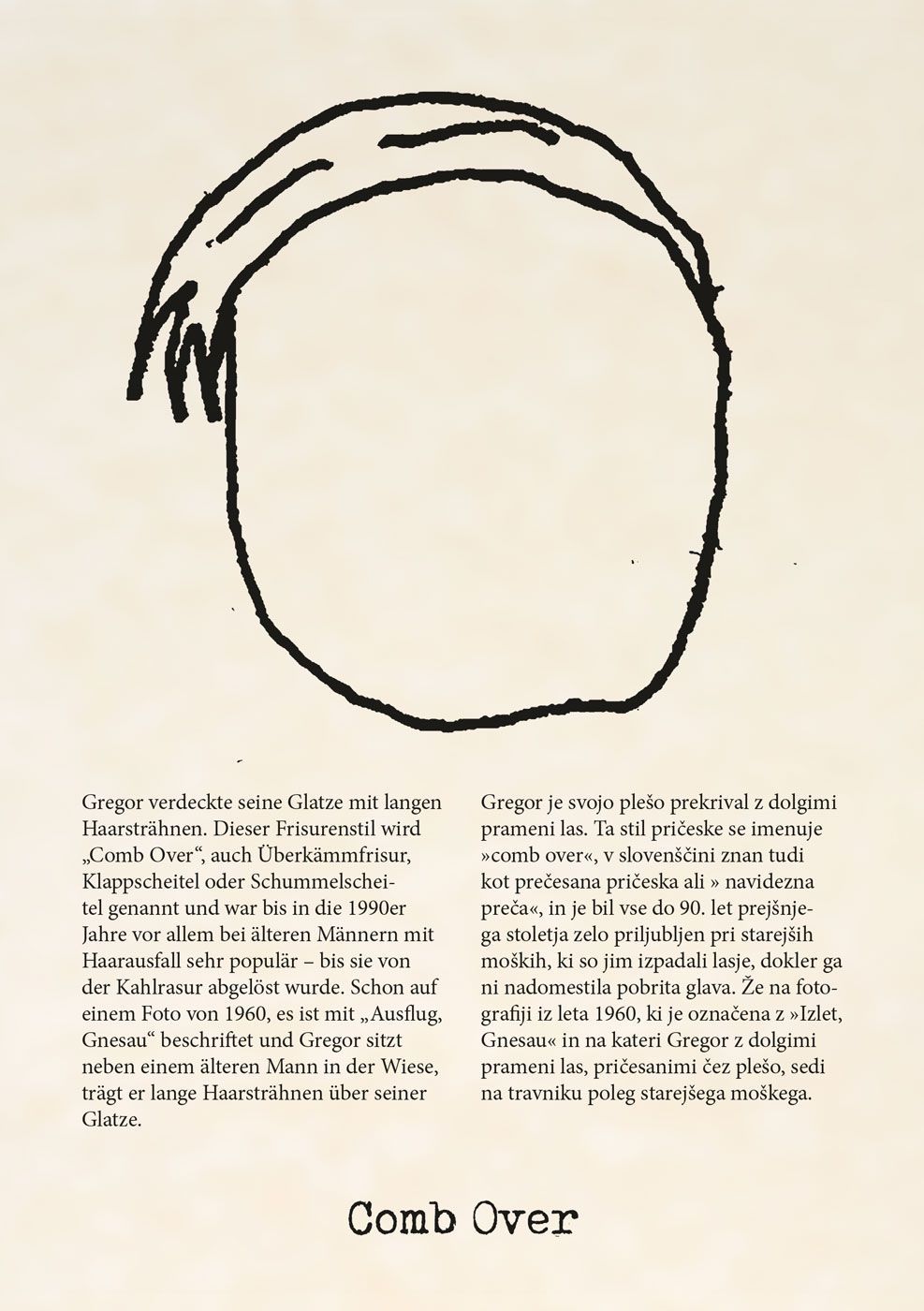
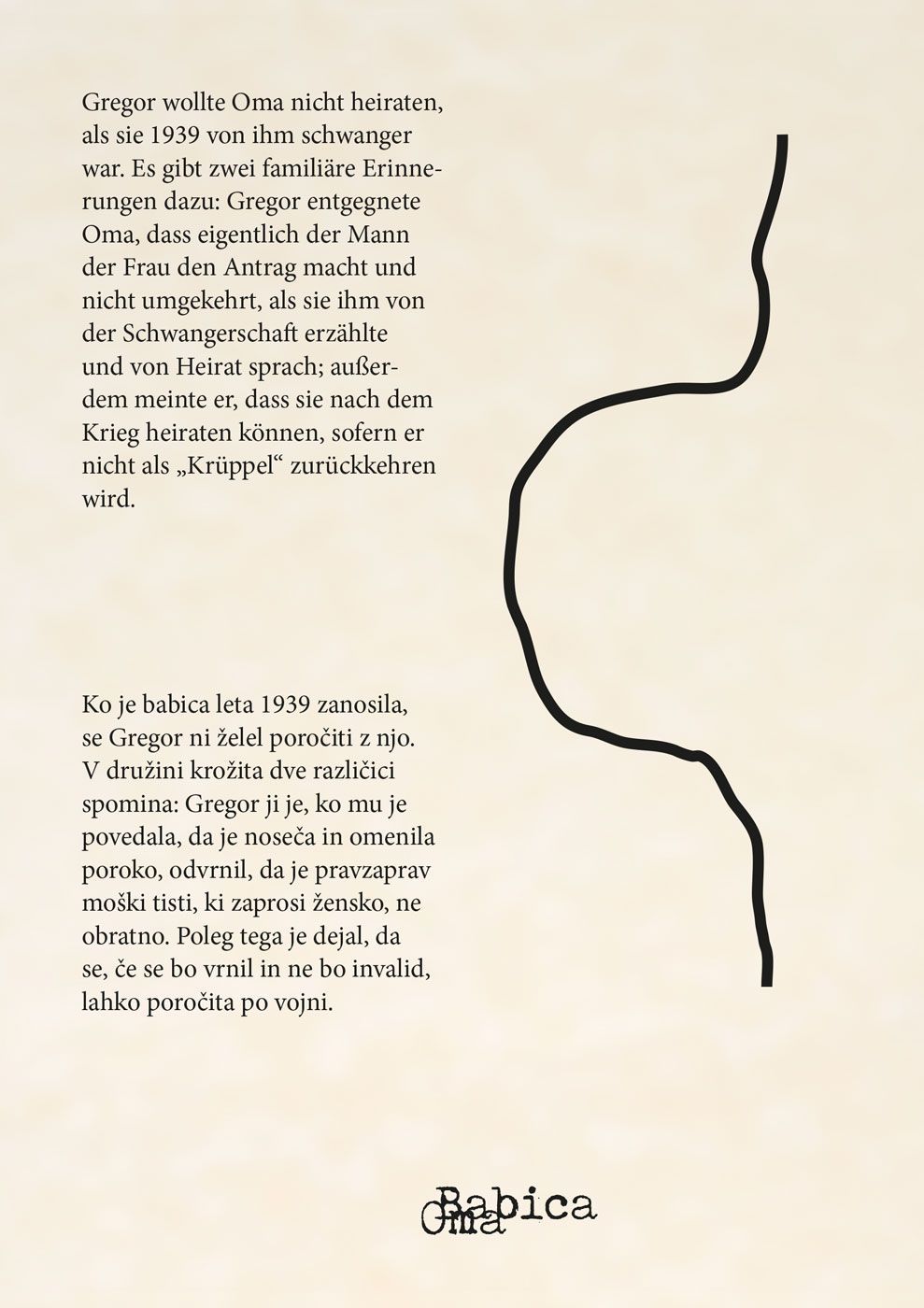
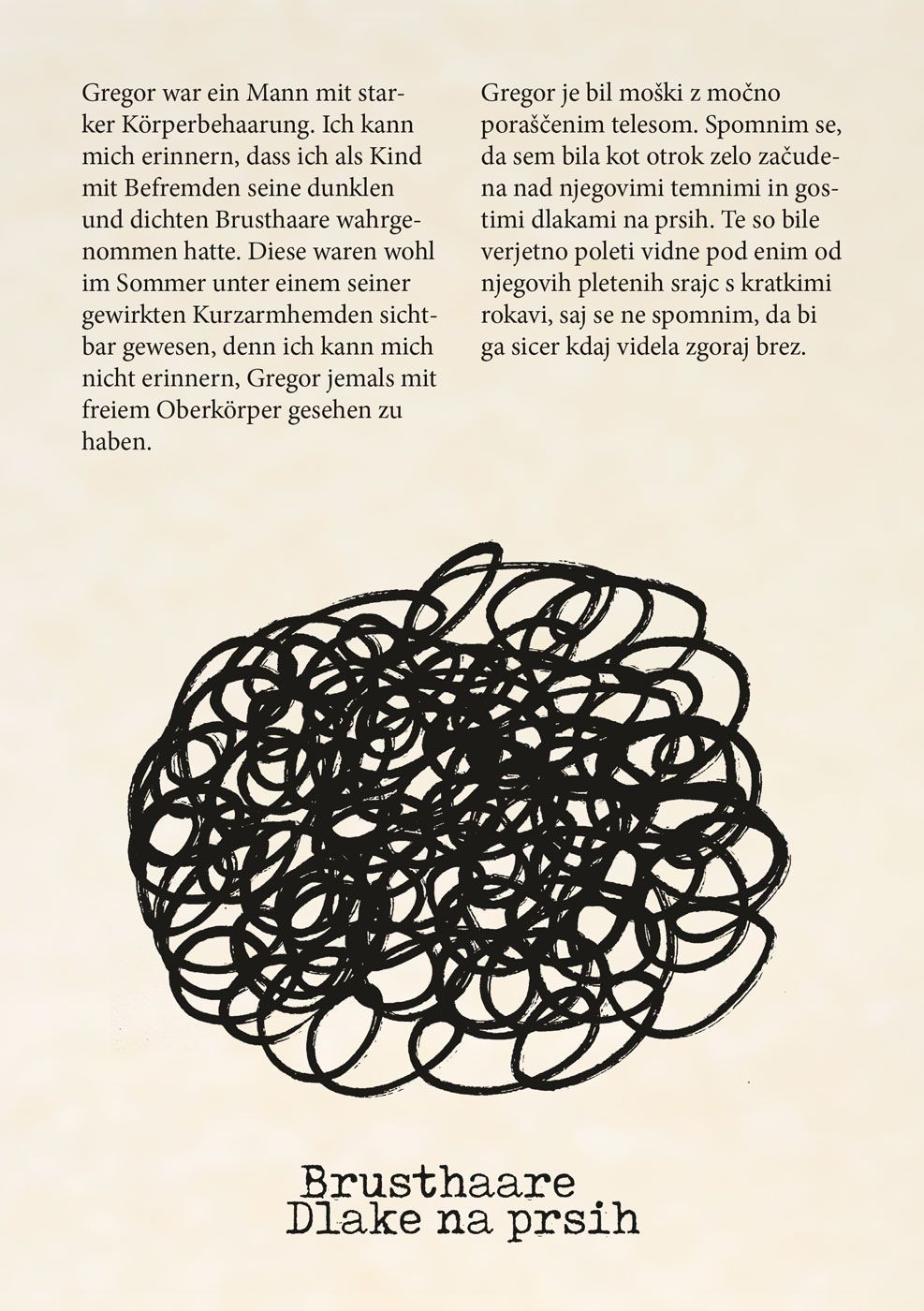
In her drawings, she records the research process, and over the course of several months her presentation in the Kärntner Landesarchiv becomes increasingly dense. Everyday fragments spilling out of an old archive secretary suggest that what has been repressed cannot remain hidden forever. In close proximity to Cornelius Kolig’s permanent installation Unvergessen
(1996), Edith Payer’s installation invites visitors to reflect on the role of official repositories of memory and of family recollections—especially when so much has been left unsaid.
(Gudrun Ratzinger)